Is China Safe to Visit and Travel? Honest Safety Tips & Advice (2026)
My mom’s last video call came the night I landed in Shanghai.
She’d just read some alarmist headline. Across 12 time zones, her voice was tight: “Are you sure it’s okay? Should I send you pepper spray?”
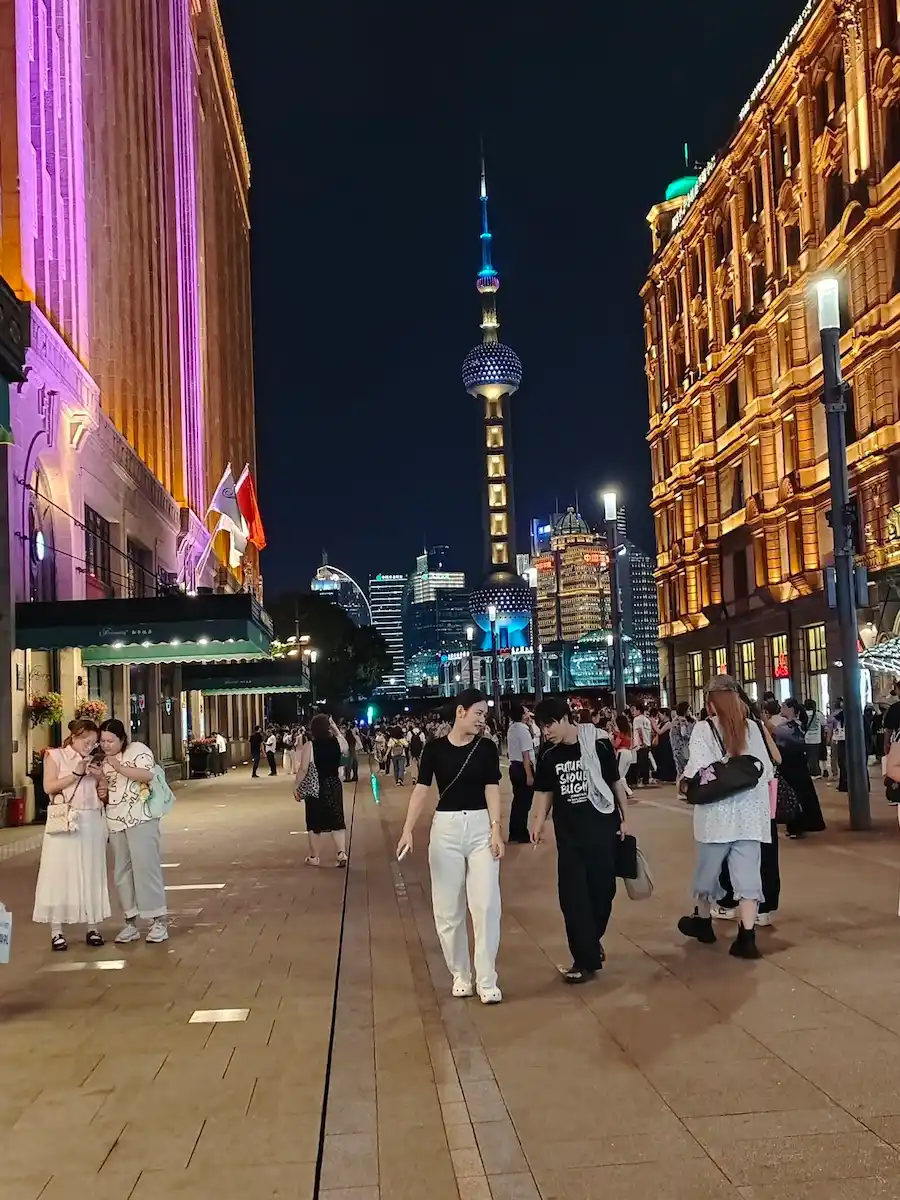
I was standing on the Bund. Behind me, a river of people—joggers threading through crowds, a young couple pushing a stroller, a college kid leaving his MacBook on a bench to grab bubble tea, an old man practicing tai chi with his birdcage hanging from a lamppost.
I’d just checked the numbers. Gallup’s 2025 Global Safety Report says 94% of people in China feel safe walking alone at night. In the United States, that figure is 57%.
Three weeks later I texted her: “Didn’t need the pepper spray. Safest long trip I’ve ever taken.”
This article is part of our China travel safety series. For everything else—visas, payments, SIM cards—head over to our full China travel tips guide. Here, we’re answering one question: is China safe—really? Data first, then ground-level reality.
- Is China Safe to Visit? Here's What the Data Actually Says
- What It Feels Like to Walk Alone at Night in China
- Solo Female Travel in China: Is It Safe for Women?
- Is China Safe for American Tourists? Digital Safety, Laws & What to Know
- The Real Risks: 5 Common Scams (and How to Avoid Them)
- My 30-Day Safety Log: When Did I Actually Feel Unsafe?
- China Safety FAQ: Quick Answers to Common Worries
Is China Safe to Visit? Here’s What the Data Actually Says
If you’ve ever typed “is China safe” into Google, you’re not alone. It’s one of the most searched questions about the country. The short answer: yes. Violent crime against travelers is statistically negligible.
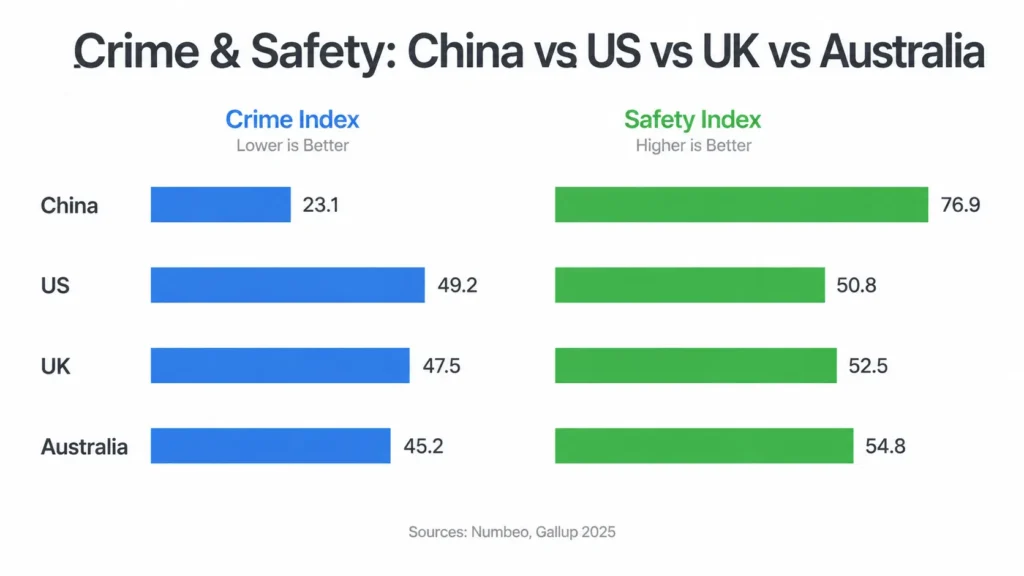
Numbeo’s global crime database scores countries from 0 to 100. Lower crime index = safer:
| Country | Crime Index | Safety Index | Rating |
|---|---|---|---|
| China | 23.1 | 76.9 | Very Safe |
| Australia | 45.2 | 54.8 | Moderate |
| United Kingdom | 47.5 | 52.5 | Moderate |
| United States | 49.2 | 50.8 | Moderate |
Now homicide rates, compiled by World Population Review from UNODC data:
- China: ~0.5 per 100,000 people
- Australia: ~0.9
- United Kingdom: ~1.0
- United States: ~5.5–6.3
The US homicide rate is 11 to 12 times higher. For anyone wondering is China safe compared to Western countries, the data is unambiguous.
In Gallup’s 2025 Law and Order Index, China scored 93 out of 100—ranked 3rd to 4th globally. The US scored 71, at 61st place.
Even the US State Department’s China Travel Advisory opens with: “Violent crime is uncommon in China.”
In 2025, China’s reported criminal cases dropped 12.8% year-on-year—a 21st-century low. Public satisfaction with china safety has stayed above 98% for six years running.
So is China safe for tourists? The numbers say yes. The question isn’t whether you’ll face violence—you almost certainly won’t. It’s what you should watch out for instead.
What It Feels Like to Walk Alone at Night in China
I’ve done it in Shanghai, Chengdu, and Beijing. Not because I’m brave—because I ate too much and needed to walk it off. If you’re wondering is China safe after dark, the streets have an answer.
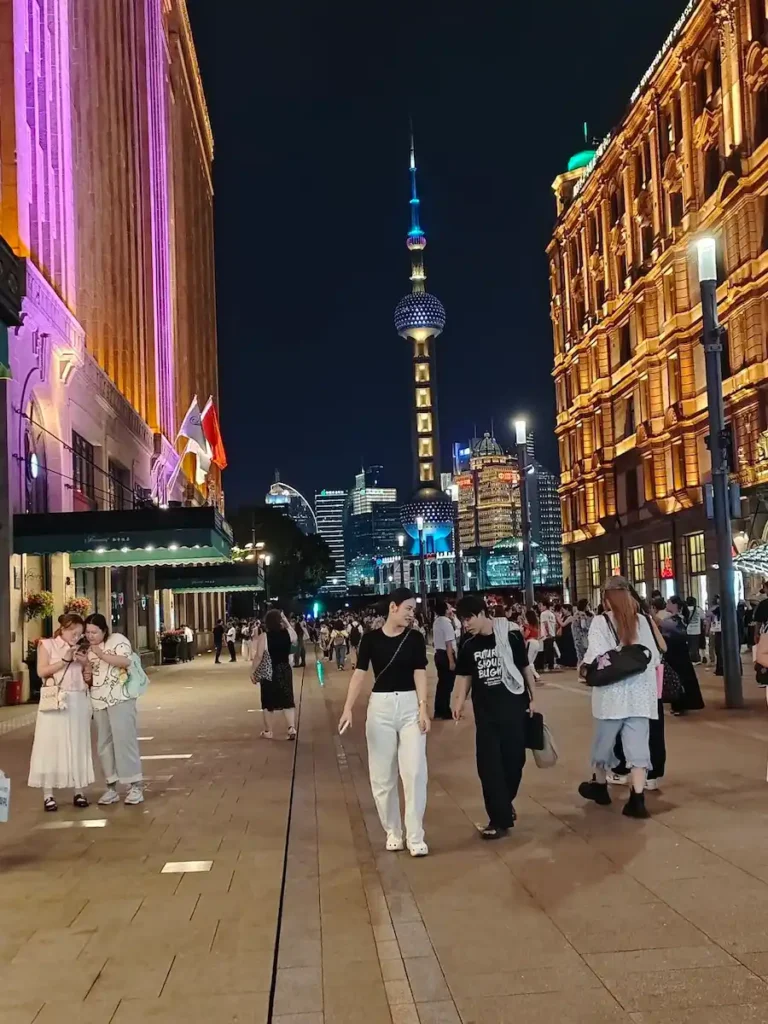
Shanghai, 1:30 AM. The FamilyMart glowed brighter than the streetlights. Food delivery guys zipped past on scooters. A skewer vendor was still grilling lamb. I walked two kilometers from the old French Concession back to my hotel. I passed maybe 20 people. Three were security guards on patrol.
Chengdu is different. At 1 AM, hot pot joints still have lines. The streets around Taikoo Li fill with kids fresh out of the cinema—laughing, scrolling phones, not looking over their shoulders.
Beijing’s hutongs get dark. No street lamps in the narrow alleys. But every few hundred meters you’ll spot a blue-and-white police box glowing steady. A patrol car crawls past, lights spinning slow.
One Reddit user put it best: “Walking around at 2 AM in Shanghai felt safer than 2 PM in a major European or American city.”
Chinese cities don’t have “no-go zones.” There’s no block you skip, no street you cross to avoid. Is China safe to travel at night? Yes—and China’s public transport system runs late, well-lit, and fully monitored.
One nuance: in smaller cities or rural scenic areas, some back lanes get dim after dark. Not dangerous. But darkness itself can feel unsettling if you’re already a nervous traveler. Book accommodation on a main street. Fixed.
Solo Female Travel in China: Is It Safe for Women?
This is the second most-asked question on r/travelchina, right after “do I need a VPN?” And the underlying question—is China safe for women traveling alone—gets remarkably consistent answers.
One solo traveler wrote: “The biggest issue you’ll face isn’t crime or harassment. It’s staring, photo requests, and the language barrier.”
Another added: “Physical china safety is insane. No mugging worries, no drink-spiking fears. But expect intrusive questions—’How much do you earn?’ ‘Why aren’t you married?’—they’re curious, not rude.”
A third post: “I fell asleep on the subway. Woke up to find the woman next to me had picked up my phone from the floor and was holding it so it wouldn’t slide off.”
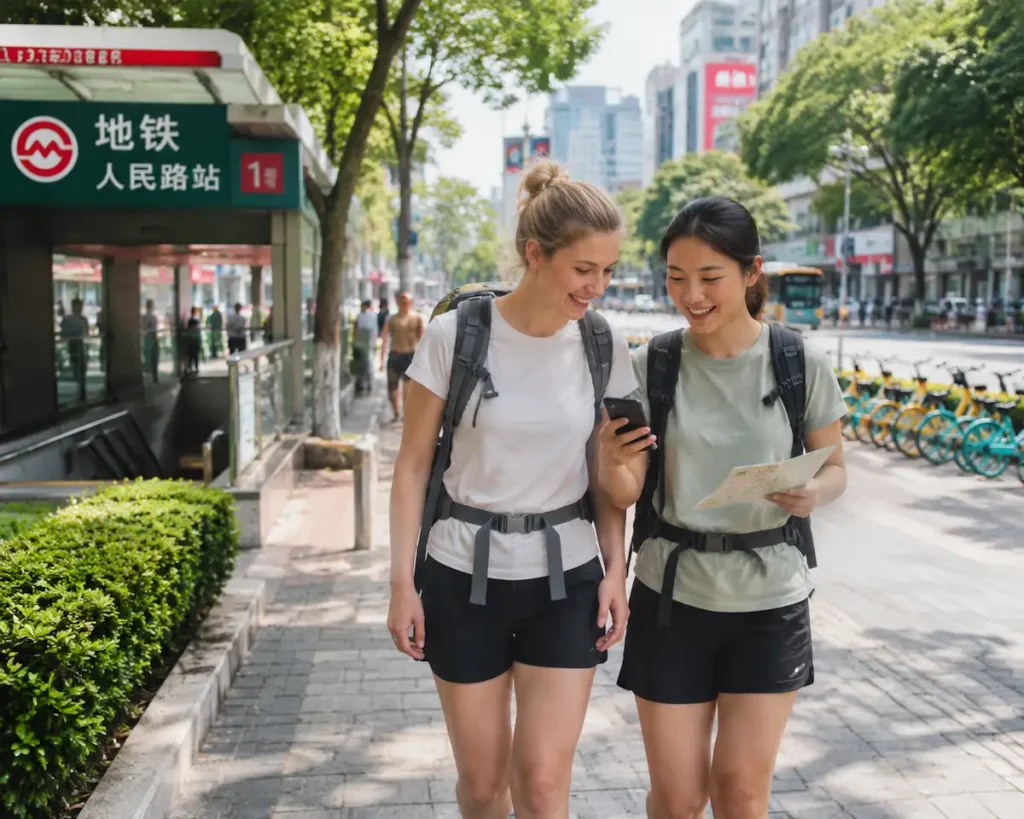
Let’s be real: discomfort exists. Getting stared at. Getting your photo taken without asking. Getting cornered by someone who wants to “practice English” for 45 minutes. Annoying? Yes. A threat? No. Annoyance and danger live in different zip codes.
Two practical tips:
- Book proper hotels—guesthouses are fine, but pick ones with front-desk registration.
- Late at night, stick to main roads. Not because something will happen—it almost certainly won’t—but because you’ll feel calmer.
For families, we have a dedicated guide to China family vacations.
Is China Safe for American Tourists? Digital Safety, Laws & What to Know
If you’re American, your safety concern probably isn’t pickpockets. It’s something else. The question is China safe for American tourists deserves its own honest treatment.
The US State Department rates China Level 3: Reconsider Travel. Sounds alarming. But read the fine print: it warns about exit bans, registration rules, and visa violations—not street crime. Its opening line: “Violent crime is uncommon in China.”
So why Level 3? Geopolitics, not safety. The advisory reflects diplomatic friction, not a threat to rule-following travelers. Is China safe for Americans in practice? Overwhelmingly yes—with a few hard rules:
- Register accommodation within 24 hours. Hotels do this automatically. Airbnb? Confirm with your host.
- Carry your passport. Original, not photocopy. Required by law.
- Do not touch drugs. Zero tolerance. No gray area. Just don’t.
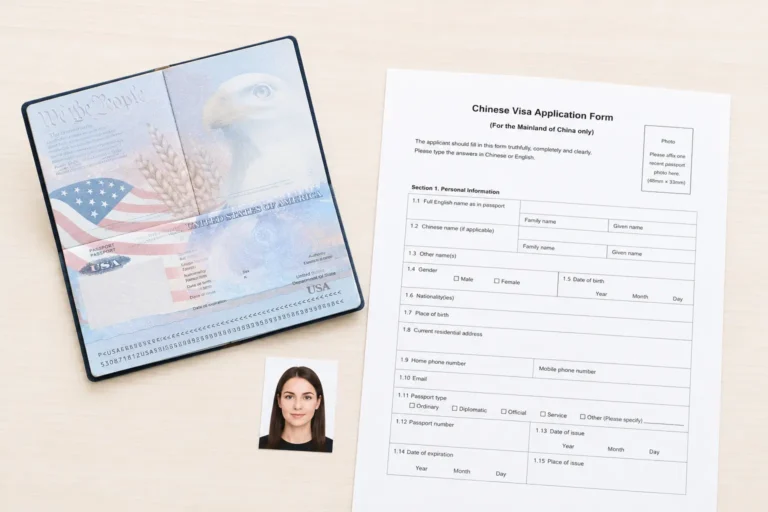
- Do not work—even “helping out”—on a tourist visa. Unpaid volunteering counts. Check the latest visa rules before you go.
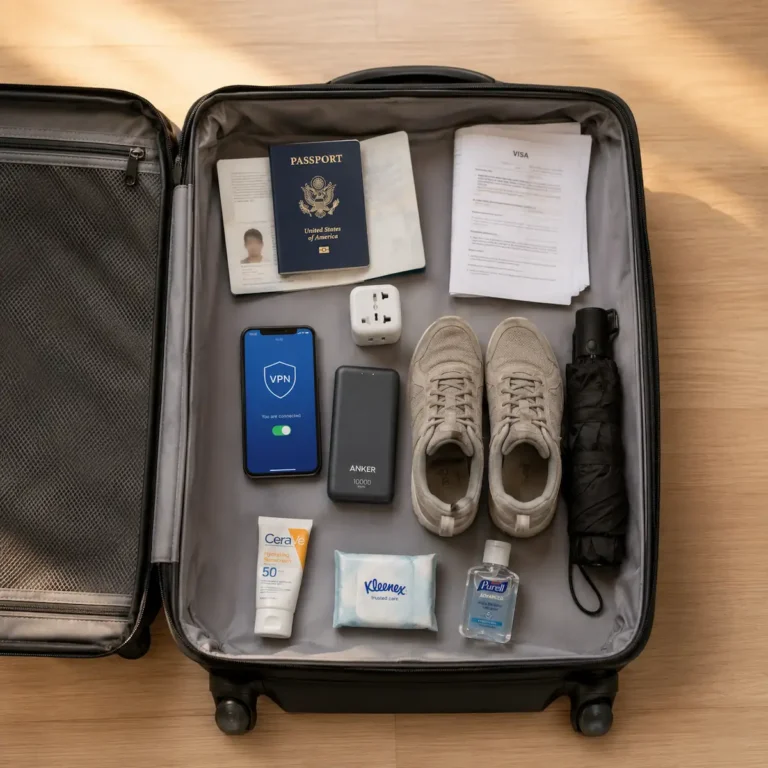
Digital safety: China blocks Google, WhatsApp, Instagram, and Gmail. But short-term visitors don’t always need a VPN. An international travel eSIM—Nomad, Airalo, WalletRoam—routes data through your home gateway, giving unrestricted access. Legal, stable, works on arrival. If you prefer a local option, grab a travel eSIM or SIM card once you land.
One last thing: set up Alipay before you land. China runs on QR codes. Cash is fading fast. A working Alipay solves 90% of payment friction.
So is China safe to visit for Americans? Physically, absolutely. The prep work is digital and legal—both manageable with a little planning.
The Real Risks: 5 Common Scams (and How to Avoid Them)
Good safety doesn’t mean zero scams. Tourist hubs attract opportunists everywhere. China’s are low-tech, well-documented, and easy to dodge once you know the script. Understanding them is part of answering is traveling to China safe for the average visitor.
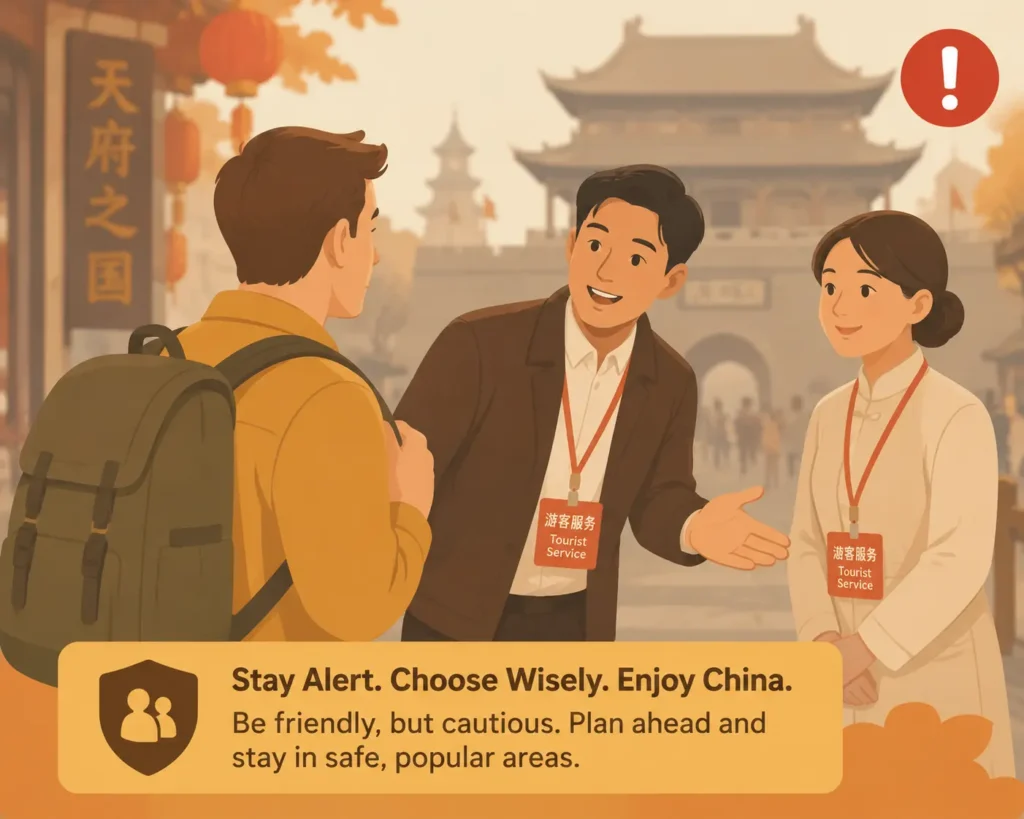
The Tea Ceremony (or Bar) Scam
Hotspots: Wangfujing, East Nanjing Road. A well-dressed stranger—”practicing English”—suggests “my friend’s tea house is around the corner.” You go. You drink. Bill: ¥2,800 (about USD 400). Someone blocks the door.
The fix: if a stranger suggests relocating to a bar, tea house, or café, decline politely. Every time.
The Fake Monk
Outside temples—Xi’an, Shaolin Temple approaches, West Lake. A “monk” presses beads into your hand, then opens a donation book showing ¥200–500 entries. Refuse, and companions surround you.
The fix: hands in pockets near temples. Step back if something is thrust at you. Don’t close your fingers around it.
Taxi Overcharging
Airports and train stations. “Meter’s broken.” Or the scenic route.
The fix: use Didi instead of street taxis. Fixed fare, tracked route, app payment. No cash, no haggling.
Fake Tickets
Outside attractions: “I’ll get you through the staff entrance, half price.” You pay. They vanish.
The fix: buy only at official counters or through official mini-programs. No exceptions.
Currency Exchange Trick
A shop offers “better than bank” rates. You count later. Notes are missing.
The fix: ATMs or bank counters. Transparent rates, low fees.
If anything goes wrong, dial 110 (police) or 12345 (services hotline). Chinese police take crimes against foreigners seriously—tourism matters here.
My 30-Day Safety Log: When Did I Actually Feel Unsafe?
Truth time. After 30 days, the question is China safe had stopped being a question at all.
Day 1, Pudong Airport. The immigration officer stared at my passport for a minute without speaking. Longest minute of the trip. Then he stamped, looked up, smiled. “Welcome.”
Day 14, Guilin. Cycling toward Yangshuo, I got lost. Dirt road. No signs. No signal. An old man shucking corn on his doorstep looked up. I held out my phone with a translated question. He put down the corn, got on his scooter, and led me two kilometers back to the main road. Turned around and rode home before I finished saying thank you.
Day 21, Chongqing. A woman at the next noodle-shop table saw me struggling to order. She walked over, pointed at menu pictures, mimed “spicy” and “not spicy,” placed the order on her phone, and paid. I tried to hand her cash. She waved it off, laughing, and was gone before I could insist.
Day 28, Beijing. Sanlitun, 1 AM. Walking back, a woman ahead—heels clicking, phone to her ear—never looked back. She’d already decided this street was safe. It wasn’t courage. It was a habit.
The closest I came to trouble: near the Bell Tower in Xi’an, a “monk” tried pressing a bracelet into my palm. I yanked my hand back—because I’d read about this scam before the trip. He scowled. Moved on. That was it.
Thirty days. No threats. No bag-snatch scares. No double-checking door locks. What made me nervous? Crossing the street. Chinese drivers have a style that deserves its own article.
If you’ve been asking yourself is China safe—the answer showed up in all the small moments, not the big ones.
China Safety FAQ: Quick Answers to Common Worries
Is China safer than the US?
By every major metric, yes. Homicide rate: 1/12th of America’s. Nighttime safety perception: 94% vs 57%. The two countries have different risk profiles—US travelers worry about gun violence and robbery; in China, your real risks are minor scams and traffic. Different problems, different scale. So is China safe compared to the US? The data couldn’t be clearer.
Is China safe to travel now?
Yes. As of 2026, China is fully open. Visa-free entry covers 50 countries; the 240-hour transit policy covers 55. Millions of visitors are traveling China right now without incident. Infrastructure for foreign tourists improves every month.
Do I need travel insurance for China?
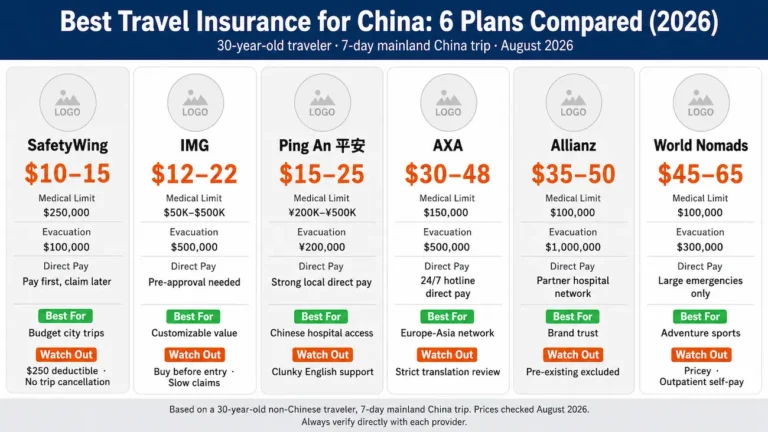
Yes—not because China is dangerous, but because medical care without insurance is expensive, and trip cancellations happen. Make sure your policy includes medical evacuation. You hope you never need it. You’ll regret not having it.
What about air pollution? Should I bring a mask?
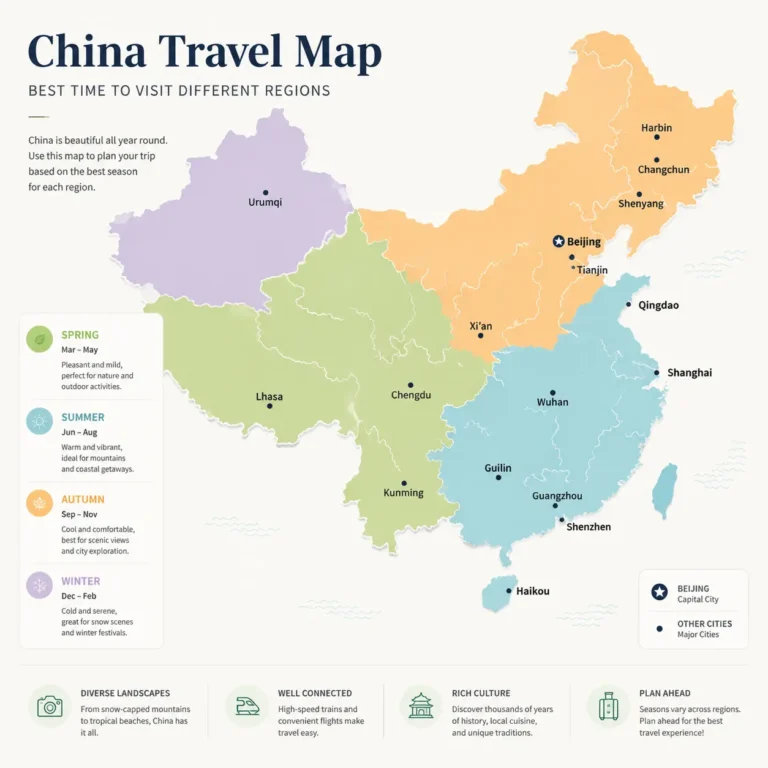
Depends on when and where. Beijing and northern cities get smoggy in winter (November–February). Shanghai and southern cities are generally fine year-round. Visiting Beijing in January? Pack a few N95s. Check AQI readings on your phone—they’re public and accurate.
Is public transport safe?
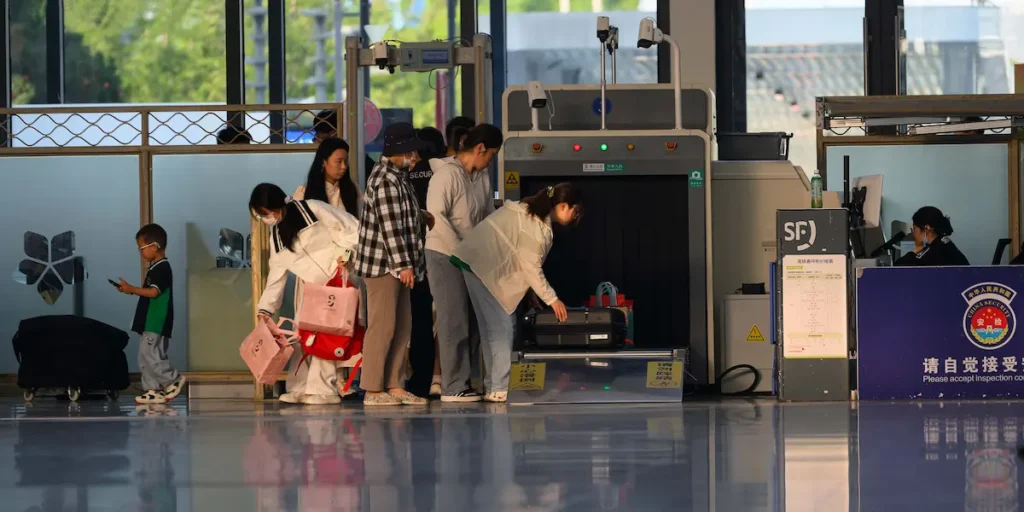
Extremely. Every subway station screens bags. Every carriage is monitored. High-speed trains are pristine. The orderliness of Chinese public transport is one of the things visitors comment on most.
Can I drink the tap water?
No. Treatment plants meet standards, but pipe conditions vary. Stick to bottled or boiled water. Every hotel has a kettle. Every convenience store sells bottles for ¥2–5 (less than USD 1).
Is street food safe?
Most people eat it daily without problems—but your gut may need time. Ease in. Choose stalls with long queues; a line means fresh ingredients. Pack Imodium. Not paranoia. A backup plan.
Do people speak English?
Airports and metro signage: bilingual. Hotel front desks: usually English-speaking. On the street? Don’t count on it. Download Google Translate’s offline Chinese pack. Between a translation app, hand gestures, and pointing at pictures, you’ll get by.
Now the trip is up to you. The data is clear. The streets are lit. The scams are known and avoidable. And 94% of the people you walk past at midnight feel perfectly safe doing so. You probably will too.
Ke Ping — Founder, InsiderChinaTravel
I personally reply to every email and create free, custom trip frameworks. Already have a plan? I can arrange vetted local guides and private drivers. Over 5,000 travelers from 30+ countries have started their journey this way.
📋 Tell me about your trip ideaReplied within 24 hours. No charge, no obligation.