Travel Insurance China: Do You Need It? Best Plans Compared (2026)
Fall 2024. Beijing Chaoyang Hospital ER. 1 AM.
My friend David — first time in China, fresh off a layover from Chicago — is curled up on a plastic waiting chair, face the color of his hospital registration slip. Three hours earlier he was at Ghost Street (簋街) in Dongcheng, knocking back lamb skewers and Tsingtao beer. Now he can’t stand up straight. Acute gastroenteritis.
The triage nurse checks his blood pressure and temperature, hands over a slip, and says something in Chinese. David stares at me, lost. I translate: “Go to the cashier window first. Pay a ¥3,000 deposit (roughly USD 430). Then we can run tests.”
He blinks. “I’m in this much pain and they want me to pay first?”
That night is why I tell every traveler heading here the same thing: travel insurance China isn’t a checkbox on your booking form. It’s the difference between a three-week reimbursement wait and losing half your trip budget at a hospital cashier window.
The way Chinese public hospitals work is not “treat first, bill later.” It’s: register → pay deposit → get tests → get treatment → settle the bill → walk out. You pay out of pocket at every step. At the end, you’re handed a stack of red-stamped invoices (fapiao / 发票). Whether you get reimbursed — that’s your problem.
David got lucky. He had an Allianz policy, filed everything after he got home, and had the money back in three weeks. I know another traveler — a British backpacker I met in Xi’an — who wasn’t so lucky. Food poisoning from a bowl of lamb paomo (羊肉泡馍) near the Bell Tower. No travel insurance China coverage at all. ER visit, blood test, IV drip, overnight observation. ¥2,800 — about USD 400 — carved straight out of his Chengdu budget.
Will your trip go sideways like this? Nobody knows. But you can decide, right now, whether an unexpected night at a Chinese hospital costs you three weeks of paperwork or half your travel budget. That’s what buying travel insurance China is really about. Not whether something bad will happen. Whether you’ll still have a trip left if it does.
Do You Really Need Travel Insurance for China?
If you’re wondering do I need travel insurance for China, the short answer: it depends on your itinerary. Here are four scenarios. If at least one sounds like your trip, the answer shifts to yes — and fast.
Scenario 1: You get sick somewhere that isn’t Beijing or Shanghai.
The top-tier hospitals in major Chinese cities are solid. Peking Union Medical College Hospital in Beijing, Ruijin Hospital in Shanghai — these places have modern equipment, and a routine ER visit runs ¥300–¥800 (about USD 40–110). The problem starts when you leave the big cities. County-level hospitals and rural clinics have near-zero English capability, and most won’t accept direct billing from international insurers. If you twist an ankle hiking in Zhangjiajie and the nearest decent hospital is in Changsha, an air ambulance transfer starts at ¥20,000 (around USD 2,860). No travel insurance China plan with evacuation coverage? That’s all on you.
Scenario 2: Your connecting flight in Zhengzhou gets canceled.
Domestic flight punctuality in China is… let’s call it optimistic. Summer thunderstorms and winter smog are frequent uninvited guests. A delay over four hours means you’re paying for your own hotel, meals, and rebooking. A trip delay clause in your travel insurance to China policy reimburses those costs — typically ¥500–¥1,500 (USD 70–215) per incident. If you’re planning to take domestic flights in China, this matters more than you think.
Scenario 3: Your luggage doesn’t follow you to Kunming.
You’re standing at the baggage carousel at Kunming Changshui Airport. It goes around three times. Your suitcase is still in your last city. The airline might toss you a couple hundred yuan as a gesture. But the money you spend on clothes, toiletries, and a charger for those two days you’re waiting — only the baggage delay clause in a good travel insurance for China trip policy covers that.
Scenario 4: You’re heading to Tibet, western Sichuan, or planning to ski in Harbin.
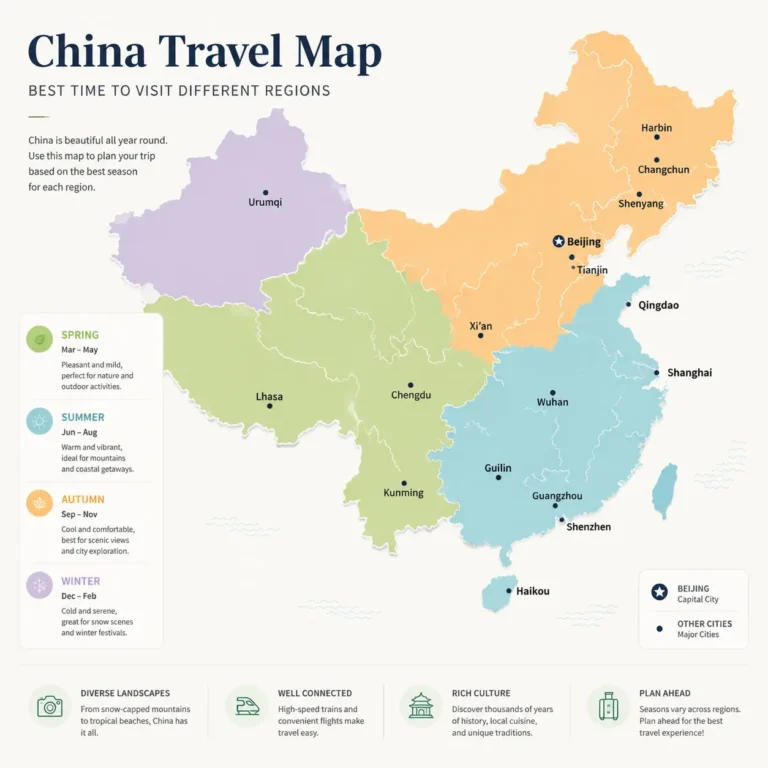
Above 3,500 meters, many basic policies simply stop working. Skiing, hiking, cycling — standard policies typically classify these as “hazardous activities” and exclude them. You need a policy that explicitly lists altitude coverage and adventure sports. And you need to find that fine print before you buy. (Not sure when to go? Check our guide on the best time to visit different regions — altitude and season go hand in hand.) Do I need travel insurance for China if I’m going to these places? Absolutely. And not just any plan — the right one.
Best Travel Insurance for China: Plans Compared (2026)
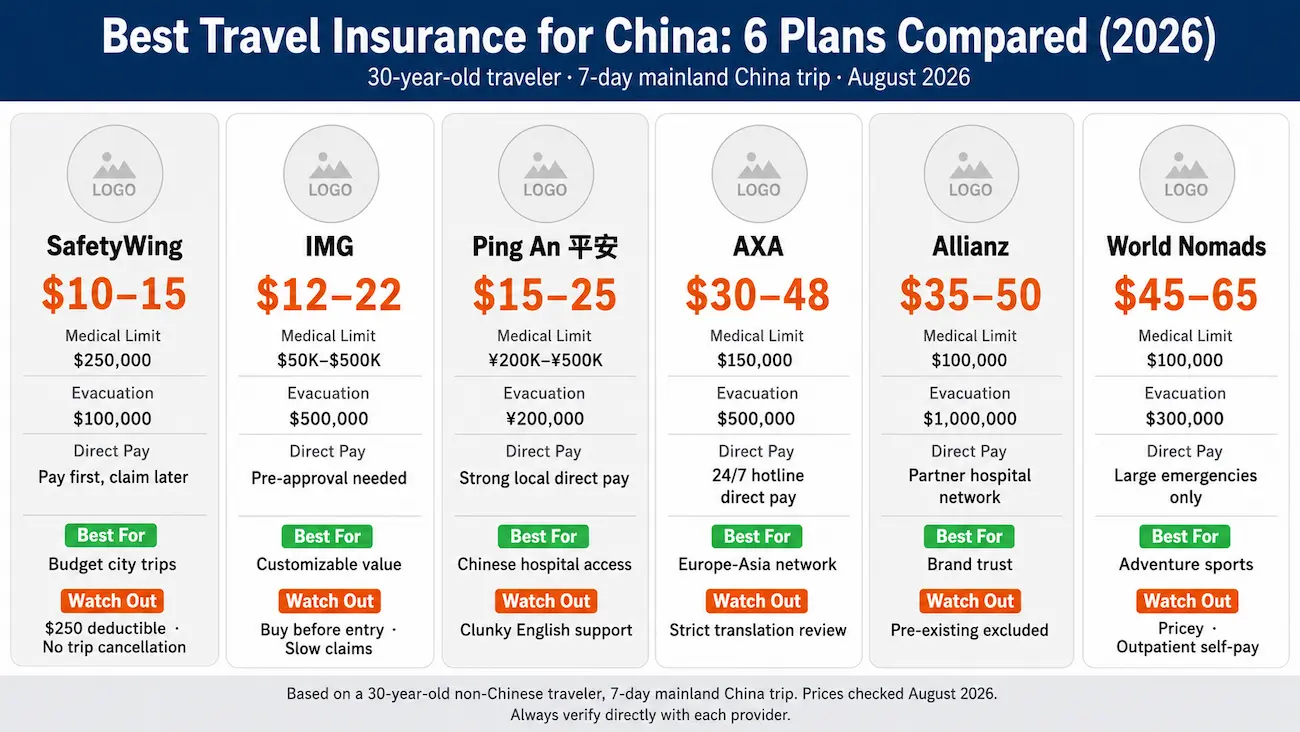
Here are six providers compared under one set of assumptions: 30-year-old non-Chinese traveler, 7-day mainland China trip, prices checked August 2026. Prices shift with age, trip length, and purchase timing — but the relative rankings hold steady. If you’re searching for the best travel insurance for China, this table is your starting point.
| Provider | 7-Day Price (USD) | Medical Limit | Evacuation | Direct Pay | Best For | Watch Out For |
|---|---|---|---|---|---|---|
| SafetyWing | $10–15 | $250,000 | $100,000 | Pay first, claim later | Short city trips, budget travelers | $250 deductible; no trip cancellation |
| IMG | $12–22 | $50,000–$500,000 (adjustable) | $500,000 | Direct pay with pre-approval | Customizable coverage, good value | Must buy before entering China; slow claims |
| Ping An (平安) | $15–25 | ¥200,000–¥500,000 | ¥200,000 | Strong local direct pay | Seamless with Chinese hospitals | English support is clunky; overseas claims interface is rough |
| AXA | $30–48 | $150,000 | $500,000 | 24/7 hotline direct pay | Mature Europe-Asia payment network | Strict about Chinese-to-English document translation |
| Allianz | $35–50 | $100,000 | $1,000,000 | Partner hospital direct pay | Brand trust, wide direct-pay network | Base plan excludes pre-existing conditions |
| World Nomads | $45–65 | $100,000 | $300,000 | Large emergencies can be direct-paid | Adventure sports covered by default | Pricey; small outpatient visits require upfront pay |

Quick match:
- Ultra-tight budget, cities only, short trip → SafetyWing (just accept the $250 deductible)
- Best value, want adjustable coverage → IMG
- Want to walk into a Chinese hospital and have them handle payment directly → Ping An
- Heading to Tibet, western Sichuan, or Jade Dragon Snow Mountain → check altitude caps first. World Nomads or AXA with altitude add-ons
- Brand trust matters most, don’t want to read fine print → Allianz
- Cycling Daocheng, skiing Yabuli → World Nomads (the only one that covers a wide range of adventure sports by default)
Picking the right china travel insurance plan comes down to one question: what’s your trip’s biggest risk? The table above gives you the raw numbers. The quick match tells you where to start. The rest is reading the fine print — which we’ll get to.
How Much Does Travel Insurance for China Cost?
Three tiers. Same baseline — 30 years old, 7 days:
- Basic tier ($10–$25 / roughly ¥70–175) — medical + evacuation. No trip cancellation, no adventure sports. For short city trips — Shanghai, Beijing, Guangzhou — this is usually enough.
- Mid tier ($30–$50 / roughly ¥210–350) — adds trip cancellation, baggage loss, mid-range medical limits. This covers most standard two-week trips.
- Comprehensive tier ($50–$65 / roughly ¥350–455) — adventure sports, high altitude, high medical limits, CFAR (cancel for any reason) available as an add-on. Worth it if Tibet, western Sichuan, or winter sports are on your list.
A decent Western-style dinner on the Bund in Shanghai runs about ¥200–300 per person (USD 29–43). A mid-tier travel insurance China policy costs about the same as that one meal. Except it’s not covering dinner. It’s covering your entire trip’s downside.
What Does Travel Insurance for China Cover?
Don’t let a 40-page policy PDF scare you. Everything that matters falls into four buckets. Whether you’re comparing china travel insurance providers or just trying to understand your current plan, these are the only sections most travelers will ever use.
Medical emergencies. Outpatient visits, ER trips, hospital stays, surgery — from bad street food to a broken leg. A standard ER visit in a major city runs ¥300–¥800 (USD 40–110). But one night in a hospital? ¥3,000–¥10,000+ (USD 430–1,430), easily. Remember: most Chinese public hospitals require payment on the spot. What you walk out with is not a bill — it’s an invoice. You settle first, claim later. This is the single most important thing to understand about travel insurance China coverage: the hospital won’t bill your insurer. You will.
Trip cancellation and interruption. Illness. A family emergency. Even a visa denial — some policies cover it. If you cancel before departure, your non-refundable flights and hotels can be reimbursed. Delays over 4–6 hours? Accommodation and meal costs during the wait are covered.
Baggage loss and delay. Suitcase didn’t show up? Once the delay passes the 12-hour mark, your policy starts covering emergency clothing and toiletries. Cameras, drones, laptops — these high-value electronics usually need an extra “gadget cover” rider. Standard baggage coverage caps are low.
Adventure sports. Skiing, scuba diving, trekking, cycling — your basic policy almost certainly excludes these. If you’re skiing in Yabuli, hiking Tiger Leaping Gorge, or surfing in Hainan, open the policy’s exclusions page and search for two words: “altitude” and “hazardous.” If you don’t find them explicitly covered, you’re not covered.
What’s NOT Covered
Five exclusion traps. Real people have fallen into every single one. Before you buy any china travel insurance policy, read this list twice.
1. Pre-existing conditions. Diabetes, asthma, heart conditions — unless you declare them at purchase and the insurer confirms coverage in writing, related complications are excluded. Most standard policies exclude them outright. Don’t buy a policy assuming it’ll cover what you already have.
2. Alcohol-related incidents. Had a few shots of baijiu and decided to bike along Xi’an’s ancient city wall? Fell and broke your wrist? Not covered. As one Reddit post put it: “I didn’t think one bottle of Moutai would affect my claim. Then I found the alcohol exclusion clause.”
3. Altitude limits. Some policies cap coverage at 3,500 meters. That means — you’re in Lhasa (elevation 3,650 m), you develop altitude sickness and need oxygen, and your policy might not pay a dime. If Tibet is on your itinerary, check the altitude clause before you buy your travel insurance China plan.
4. Electronics caps. Cameras, drones, laptops — standard baggage coverage usually has a per-item limit (often around $500). Anything above that is on you. Travelers carrying serious gear need the extra gadget rider.
5. Unattended items. A Rolex left on your hostel nightstand. A MacBook on a café table while you grab your latte. Gone is gone. Travel insurance is not your personal security guard.
How to Use Travel Insurance at a Chinese Hospital
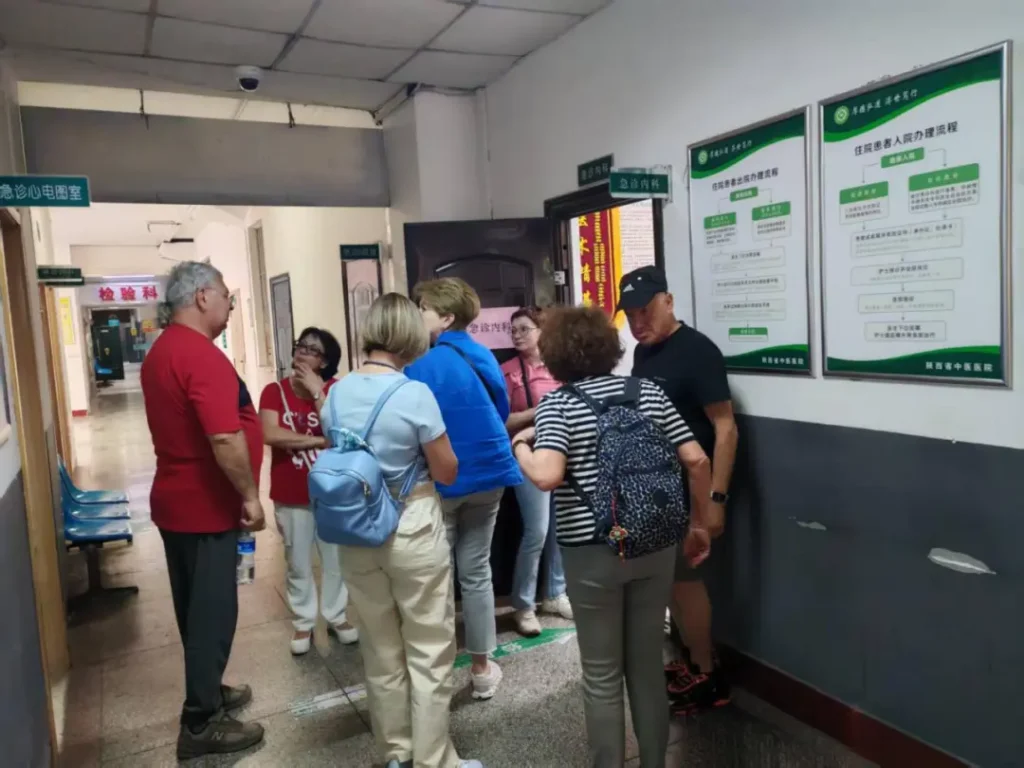
This is the part no comparison site will tell you. None of those financial platforms have stood at a Chinese ER cashier window at 2 AM. I have. And the gap between what a travel insurance China policy promises and what actually happens inside a Chinese hospital is where most travelers get burned.
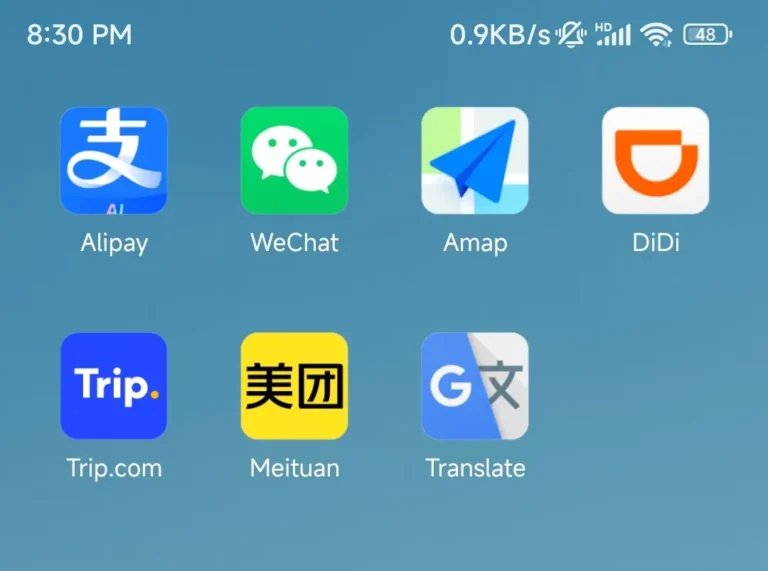
The fundamental difference between Chinese public hospitals and what you’re used to: you pay before you get care. Not “the hospital bills your insurer.” You hand over money (or scan WeChat) → you get treatment → you collect stamped receipts → you go home and file a claim. If you don’t have WeChat Pay or Alipay set up, you’ll shuttle back and forth to the cashier window more times than you want to count while you’re in pain. (Get that sorted before you land: read our guide to setting up Alipay and WeChat Pay.)
Here’s exactly how David’s night at Beijing Chaoyang Hospital went down. This is what using travel insurance China looks like in practice — not in theory.

Step 1: Register. Walk into the ER. Find the triage desk (分诊台). A nurse checks your vitals and hands you a registration slip. Take it to the cashier window. Pay the registration fee — ¥25 (about USD 3.60). You now have a hospital card with a patient ID number. Don’t lose it.
Step 2: Pay the deposit. A doctor gives you a preliminary exam and writes up a set of orders — blood test, X-ray, IV fluids. Take that slip back to the cashier window. Pay the deposit. David’s deposit that night was ¥3,000 (roughly USD 430). The cashier hands you a payment voucher with a red stamp. That piece of paper matters more than your passport right now.
Step 3: Get treated. Armed with stamped, paid-in-full order slips, go to the blood draw station. Radiology. The IV room. Each station prints its own confirmation slip. Collect every single piece of paper. Even the ones with just one line of Chinese on them. You’ll need them all for your china travel insurance claim.

Step 4: Settle and leave. Doctor writes a prescription → back to the cashier window → they calculate the final total (refund or ask for more) → you get the final fapiao (发票) and an itemized bill. This is the moment that determines whether your china travel insurance claim succeeds or fails. Check the invoice for the hospital’s red financial seal (财务专用章). No red stamp? Your insurer won’t accept it. Period.
Step 5: File your claim from home. Within 24–48 hours of treatment, log into your insurer’s app or website and submit a claim notification. Documents you’ll need to upload:
- A photo of the passport page with your China entry stamp (proof you were here)
- Your flight ticket or boarding pass (proof of trip dates)
- A scan of the final hospital invoice — the one with the red stamp
- The diagnosis report (诊断证明) from the doctor
- The itemized bill showing every charge line by line
Review typically takes 7–15 business days. The payout goes to your designated international bank account or PayPal.
Real talk from Trustpilot: one Allianz user waited two months for reimbursement because “the insurer demanded an official English translation of the doctor’s handwritten Chinese notes, which cost me extra money to get certified.” Lesson? Ask the doctor for a printed diagnosis report (typed Chinese is far easier to OCR-translate than doctor handwriting). And triple-check every document has a stamp before you walk out of the hospital. You cannot go back for these once you’re home. This is the difference between travel insurance China that works and travel insurance that’s just a PDF on your phone.
Chinese Symptom Cheat Sheet: Show This at the ER
If you can’t speak a word of Chinese, pull up this table on your phone and point. It’s not elegant. It works.
| English | 中文 | Pinyin |
|---|---|---|
| Severe stomachache | 我肚子剧痛 | Wǒ dùzi jùtòng |
| Vomiting and diarrhea / food poisoning | 上吐下泻 | Shàngtù xiàxiè |
| High fever, body chills | 发高烧,全身发冷 | Fā gāoshāo, quánshēn fālěng |
| Allergic reaction / trouble breathing | 过敏 / 呼吸困难 | Guòmǐn / Hūxī kùnnán |
| Sprained ankle / possible fracture | 脚踝扭伤 / 可能骨折 | Jiǎohuái niǔshāng / Kěnéng gǔzhé |
| I need an English-speaking doctor | 我需要会说英语的医生 | Wǒ xūyào huì shuō Yīngyǔ de yīshēng |

Screenshot this. Save it offline. At 2 AM in an unfamiliar ER, scrolling through your photo album beats typing into Google Translate with shaking hands.
How to Choose the Right Travel Insurance for China
Four steps. Maybe five minutes. Could save you five hundred dollars in denied claims. When it comes to china travel insurance, the difference between a good policy and a useless one is almost always in the part nobody reads.
Step 1: Ask yourself — “What’s most likely to go wrong on this trip?”
- Going to Tibet, western Sichuan, or Qinghai? Altitude is your number one variable. Check the policy’s elevation cap and whether altitude sickness is explicitly covered.
- Skiing, trekking, surfing? Find the adventure sports clause. If “hazardous activities” is in the exclusions — and it usually is — you’re not covered unless you see an explicit inclusion somewhere else.
- Carrying cameras, a drone, three lenses? Check the per-item limit on electronics. Most standard baggage coverage caps out far below what your gear costs. (Wondering what else to pack? Here’s what to pack for China.)
- Lots of connections, domestic flights? Look at the trip delay trigger — is it 4 hours or 6 hours? How much do they reimburse per incident?
Step 2: Five things every travel insurance China policy must have.
- Medical coverage of at least ¥200,000 (about USD 28,600) — hospital stays in China aren’t cheap, and a serious situation can hit six figures in yuan fast.
- Emergency medical evacuation — especially if you’re leaving the big cities behind.
- Trip delay and cancellation — triggered at 4–6 hours.
- Baggage delay — coverage that starts after 12 hours.
- A 24/7 multilingual emergency hotline — typing “I think I need a CT scan” into Google Translate at 2 AM while a nurse stares at you is not a vibe.
Step 3: Spend three minutes reading the exclusions page.
Ctrl+F these five words: altitude / pre-existing / alcohol / hazardous / electronics. Every time one comes up, read the two-line paragraph around it. Eighty percent of the insurance complaint threads on Reddit boil down to one thing: someone bought a policy and never read the exclusions. Don’t be that person.
Step 4: Balance cost against coverage.
A $10 policy saves you on premiums, but a $250 deductible might sting exactly when you least want to pay. A $65 World Nomads plan feels steep — until you remember you’re skiing Yabuli for three days, and a $15 policy without adventure sports coverage is effectively worthless the moment you clip into your bindings. The method: write down the single biggest risk on your itinerary. Pay only for the coverage that addresses it. Skip the rest. The best travel insurance for China isn’t the cheapest or the most expensive — it’s the one that covers what your trip actually needs.
Airline Travel Insurance: Is It Enough?
You’re booking a flight on Air China’s website. At checkout, a little checkbox appears: “Add travel insurance? From ¥30.”
Don’t check it.
Not because it’s useless — it does cover things that happen on the plane. The problem is that its coverage ends the moment you step off the aircraft. And that’s not what travel insurance China travelers actually need.
Take Air China’s Ping An aviation insurance bundle:
- ✅ In-flight accidents (high payout for death or disability — but that’s not why you’re buying travel insurance)
- ✅ Flight delays (tiered payout of ¥300–¥600 / USD 43–86 after 3–4 hours)
- ✅ Baggage delay or loss (capped amounts)
- ❌ Does not cover: food poisoning at your hotel. A sprained ankle at a scenic spot. A sudden high fever in the middle of your trip. Any illness or injury not caused by an aviation accident — excluded.
China Southern and China Eastern’s add-on insurance works the same way: coverage is strictly limited to the window from “enter the departure lounge” to “exit the destination airport.”
There’s a classic post on Reddit r/LegalAdviceUK: “I thought the insurance I bought during flight booking would cover my whole trip. Turned out it only covered accidents on the plane. When I got food poisoning in Beijing, my claim was instantly denied.”
Verdict: Airline add-on insurance = flight insurance. It is not the travel medical insurance China travelers actually need. If that checkbox is the only thing you bought, you’re walking through China completely unprotected from everything that happens on the ground. Spend $15 on a real standalone travel insurance China policy. It’s worth ten times the ¥30 you’d hand to the airline.
Common Questions About Travel Insurance for China
Is travel insurance mandatory for China?
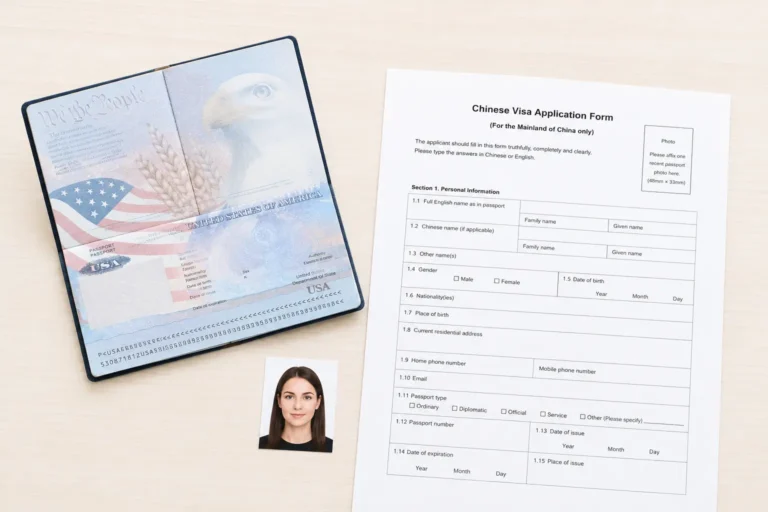
For most tourist visa (L visa) and visa-free travelers — no. Chinese border control will not ask to see your insurance certificate at immigration. Two things to keep in mind, though: (1) some long-term study or work visa types may require proof of insurance during the application process; (2) even though nobody forces you to buy travel insurance China coverage, Chinese hospitals don’t extend credit — you settle your bill in full before you walk out. “Not mandatory” does not mean “not necessary.” For the details on what your specific visa type needs, see our China visa application guide.
How much does travel insurance for China actually cost?
For a 30-year-old traveler on a 7-day trip: basic tier $10–$25, mid tier $30–$50, comprehensive tier $50–$65. Longer trips don’t scale linearly — a 14-day policy is usually only 30–50% more than a 7-day one, not double. So if you’re asking how much is travel insurance to China, the number depends far more on what you’re doing than how long you’re staying.
I’m only visiting Shanghai and Beijing. Do I still need insurance?
Staying in cities lowers certain risks — you’re less likely to fall off a mountain or need a helicopter evacuation. But it doesn’t lower the odds of bad street food, a scooter clipping you in a crosswalk, or a canceled flight stranding you overnight. For city trips, at least buy the basic tier. Ten dollars for $250,000 in medical coverage — the math is not complicated. Do I need travel insurance for China if I’m just doing cities? Legally, no. Practically, yes.
I have a pre-existing condition. Can I still get covered?
Standard policies typically exclude complications related to pre-existing conditions. Some providers — like certain Allianz premium plans — let you declare your condition at purchase and may offer coverage for an additional premium. Call the insurer and ask directly before you buy. Do not buy a china travel insurance policy hoping it’ll cover something it explicitly excludes. That is an expensive way to learn what “exclusion” means.
China is generally very safe for travelers — streets are well-lit, violent crime against tourists is rare, and the biggest risk to your trip is usually a bad bowl of noodles, not a bad person. For the broader safety picture, read our guide on travel safety in China. Between that, your visa sorted, and the right travel insurance China policy in your pocket — you’re ready for just about anything.

Ke Ping — Founder, Insider China Travel
Certified China Travel Specialist · Certificate details
I personally reply to every email and create free, custom trip frameworks. Already have a plan? I can arrange vetted local guides and private drivers. Over 5,000 travelers from 30+ countries have started their journey this way.
📋 Tell me about your trip ideaReplied within 24 hours. No charge, no obligation.